How Long Does Kanna Take To Kick In?
If you are trying a new supplement for mood or stress support, timing matters. This guide explains how long does kanna take to kick in, what affects onset, how long kanna’s effects last, and how to use kanna more thoughtfully.
Key Takeaways
For most healthy adults, kanna (Sceletium tortuosum) usually kicks in within 10–60 minutes, depending mainly on form and dose. The effects of Kanna typically start within 30 to 60 minutes after consumption, depending on the form and dosage taken, but the full onset time for kanna can range from 1 minute to 90 minutes depending on the method of consumption.
- Sublingual, chewed kanna, tinctures, snuff, and potent kanna extract products often start faster, commonly in 10–30 minutes.
- Some users report feeling the effects of Kanna as quickly as 20 minutes after consumption, particularly when taken in forms that allow for rapid absorption, such as tinctures or snuff.
- Swallowed capsules, tablets, and tea usually take 30–60 minutes to begin, with peak effects later.
- Onset is only part of the story: the effects of kanna typically last 2–6 hours, with a gentler afterglow for some users.
- Body weight, metabolism, tolerance, dosage, food, hydration, and product strength can all speed up or slow down onset.
What Is Kanna (Sceletium tortuosum)?
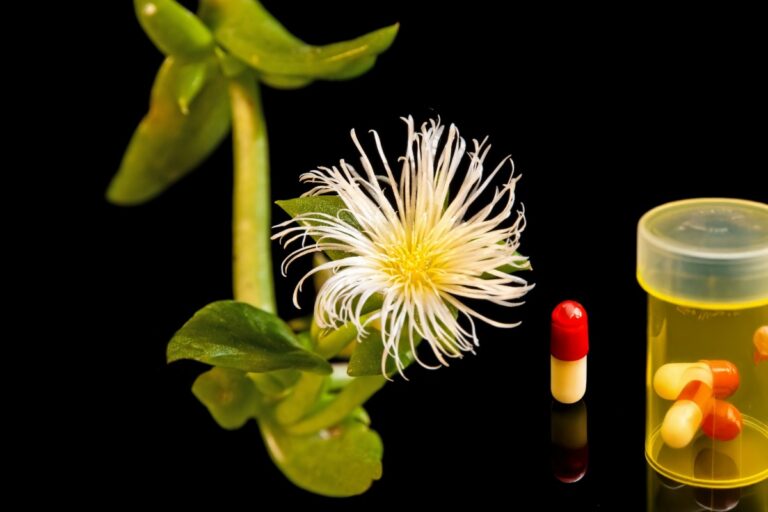
Kanna is the common name for sceletium tortuosum, a succulent plant native to south africa. The kanna plant has been used for centuries in traditional south african medicine to lower stress, support mood, and improve well being.
Kanna (Sceletium tortuosum) has been used for centuries by the Khoisan people of South Africa for various purposes, including mood enhancement and social rituals. Traditionally, Kanna was consumed by chewing or holding under the tongue, often used in social and spiritual contexts as part of traditional practices to enhance feelings of connection and reduce anxiety. Kanna has also been historically utilized for its calming effects, helping to relieve thirst, combat fatigue, and support social interactions among indigenous tribes.
The Khoisan people have used Kanna not only for its mood-enhancing properties but also in traditional ceremonies, where it was consumed in large amounts to energize participants for dancing. Today, kanna supplements come in many forms, including raw herb, fermented kanna, standardized kanna extract, capsules, tinctures, teas, vapes, blended mood supplements, and fine powder.
Kanna (Sceletium tortuosum) has been traditionally used for its mood-enhancing properties, with users reporting elevated mood, relaxation, and reduced anxiety. Its primary active compounds, particularly mesembrine alkaloids, function as natural serotonin reuptake inhibitors, which can promote mood elevation and stress relief. Research reviews also note activity around serotonin and related pathways, which helps explain why kanna can affect mood, anxiety, and mental clarity. You can read more in this overview of Sceletium tortuosum research.
At Alt Super Store, kanna is considered alongside other plant and hemp-derived options people use to manage stress, reduce stress, and support overall well being.
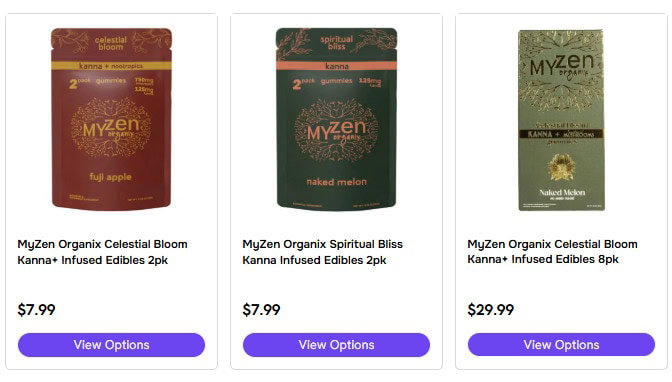
How Long Does Kanna Take To Kick In? (By Method)
The onset time for Kanna can vary based on the method of consumption, with oral forms generally taking longer to take effect compared to inhalation methods. Different methods of consumption alter the absorption of active alkaloids in the bloodstream, affecting the time it takes for effects to begin.
| Form | Typical onset | Peak effects | Typical duration |
| Sublingual or chewed | 15–30 minutes | 45–90 minutes | 2–4+ hours |
| Capsules, tablets, tea | 30–60 minutes | 60–120 minutes | 3–6 hours |
| Snuff or insufflation | 1–10 minutes | 15–30 minutes | 2–3 hours |
| Smoking or vaping | 2–15 minutes | 10–30 minutes | 1.5–3 hours |
Sublingual (under the tongue) administration of kanna results in noticeable effects within 15 to 30 minutes. Chewed kanna works similarly because active alkaloids absorb through mouth tissues while some plant material is swallowed. First hints may include a lighter mood, body relaxation, less tension, and easier socializing.
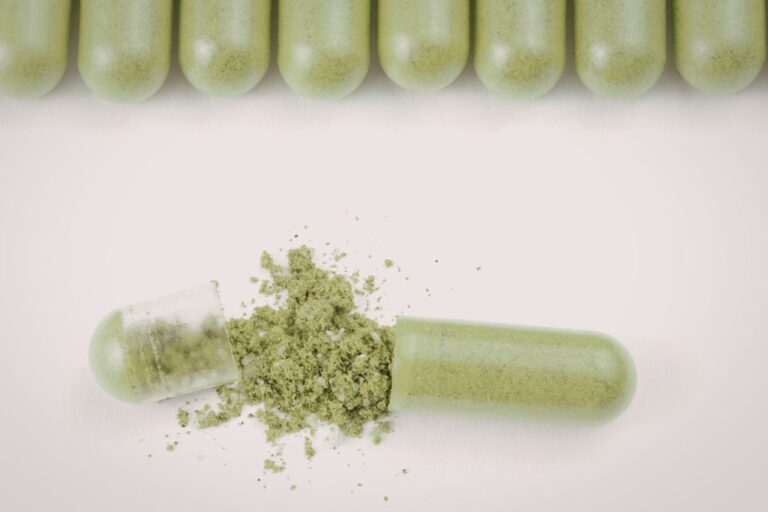
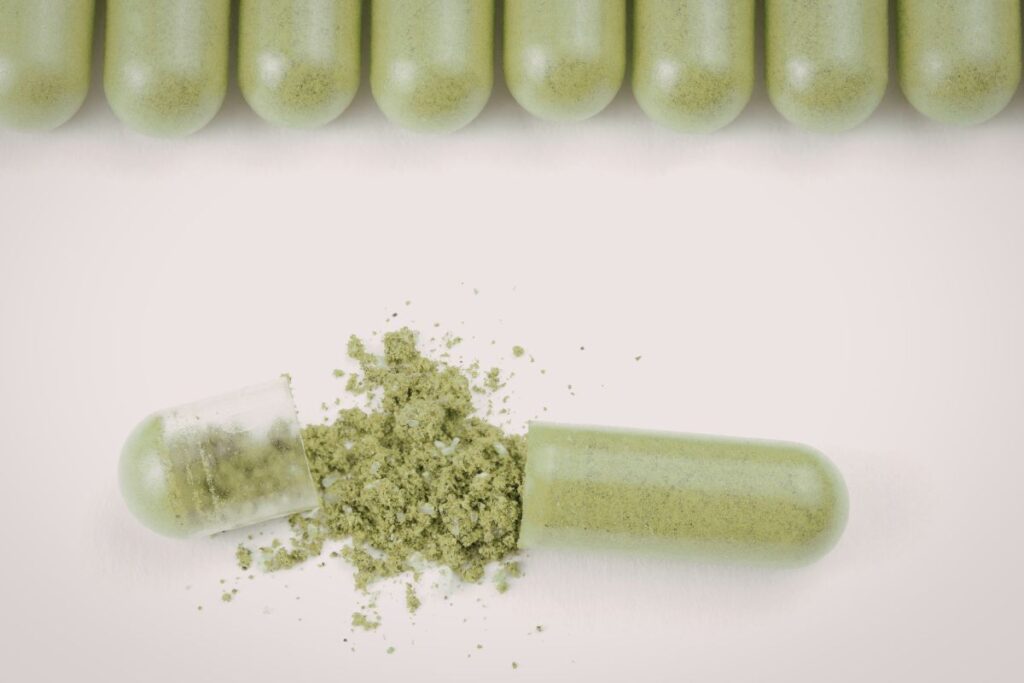
For swallowed capsules, tablets, or tea, onset usually takes 30–60 minutes after oral ingestion and may be slower after a heavy meal. Oral ingestion of kanna, such as in capsules or teas, can take 60 to 90 minutes to reach peak effects, with full systemic effects potentially taking up to 2 hours. A standardized 25–50 mg kanna extract capsule may feel cleaner and more predictable than raw plant material, but it often requires patience.
Snuffed or very fine kanna powder can act much faster. Insufflation (snorting) causes effects in 1 to 5 minutes, while many users describe a broader 5–10 minute window depending on powder texture and product strength. This route is harsher, can irritate the nose, and is not generally recommended for beginners.
Smoking or vaping yields effects within 2 to 5 minutes for some users, though a practical range is 5–15 minutes depending on the blend and inhalation style. Vaped or smoked kanna can feel more heady and shorter-lived, somewhat similar to inhaled cannabinoids in timing.
The simple rule is this: inhaled or nasal methods are “fast in, fast out,” while capsules and tea are “slow in, longer lasting.”
Factors That Change How Fast Kanna Works
There is no single answer to how long does kanna take to kick in because kanna’s effects depend on both the product and the person. Consistency and method of administration are crucial for the effectiveness of kanna and can significantly impact the experience of its effects.
Product strength matters. Concentrated extracts of kanna absorb more quickly and reliably than raw plant material. A full-spectrum fermented herb may be smoother and more traditional, while a high-mesembrine kanna extract can produce a quicker perceived lift and a steeper curve. Liquids, powders, and vapes usually start faster than dense capsules or edible-style products.
Dose size also changes the experience. A low dose or small doses may feel subtle, especially for first-time users, while moderate doses often give a clearer sense of timing after a few trials. Higher doses may lead to stronger effects, but they also raise the chance of discomfort.
Personal biology can shift onset and intensity. Metabolism rate, body weight, individual neurochemistry, and prior exposure to similar substances all affect timing. Some healthy individuals feel kanna within 10 minutes, while others may need 45–60 minutes from the same dose.
Food plays a major role. Taking kanna on a full stomach delays the onset and reduces the effectiveness of its effects compared to taking it on an empty stomach. A large meal may delay onset by 20–40 minutes, while hydration can support a smoother body feel and reduce dry mouth.
Some users describe a priming effect. The “Priming” Effect requires several days of consecutive, low-dose use for some individuals to fully experience kanna’s effects due to the need for the body to calibrate to the alkaloids. However, frequent high-dose use may blunt effects over time, making onset feel slower.

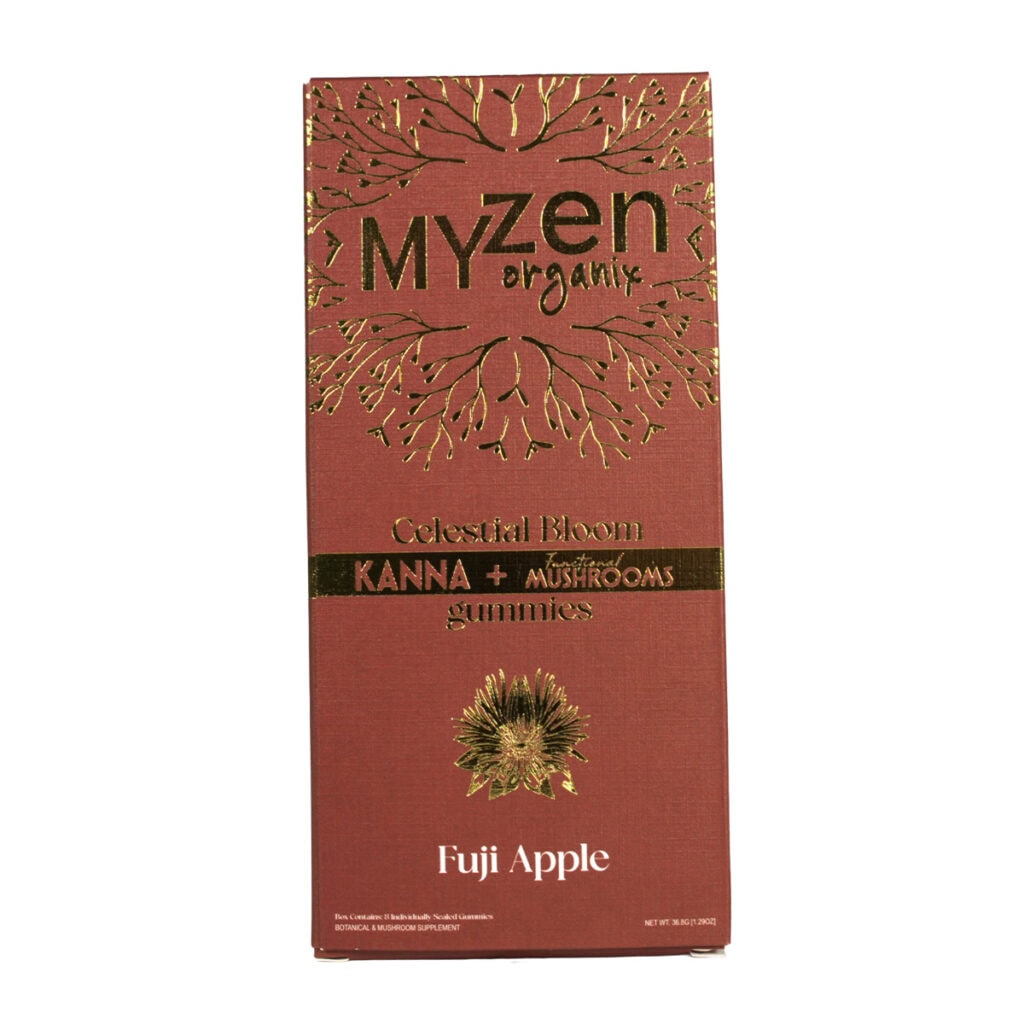
What Do Kanna’s Effects Feel Like As They Come On?
Understanding the feel of onset helps you recognize kanna without expecting a dramatic high. Kanna is not a classic psychedelic, and it should not be treated as a party drug; most users describe it as mood-supportive, calming, and socially softening.
In the first 10–30 minutes, people often notice subtle changes: softened mental chatter, easier breathing, reduced anxiety, less shoulder tension, and a brighter sense of conversation, music, or touch. These feelings can be beneficial for people dealing with everyday stress, but kanna is not a replacement for professional mental health care.
During the 30–90 minute window, users may feel clearer focus, mental clarity, or a mild dreamy calm depending on the dose and extract profile. At higher doses, some users also notice mild drowsiness or a more sedative calm. Kanna has been shown to enhance cognitive function and improve mental clarity, which can be beneficial for individuals dealing with stress and anxiety. Some users also report improved cognitive health, social ease, talkativeness, warmth, or light euphoria without strong intoxication or hallucinations.
Chewed and sublingual kanna tend to provide a smoother ramp and balanced brain-body calm. Capsules and tea arrive later but can feel like a steady background boost to mood. Inhaled or snuffed routes hit faster, feel punchier, and decline more quickly.
Avoid mixing kanna with alcohol, SSRIs, MAOIs, MDMA, 5-HTP, or other strong mood-influencing substances unless guided by a clinician. This combination can unpredictably alter onset, intensity, and safety.
How Long Do Kanna’s Effects Last After They Start?
Kick-in time is different from total duration. Factors such as the form of Kanna used, individual metabolism, and dosage can influence the duration of its effects.
Chewed or sublingual herb and extract commonly produce 2–4 hours of noticeable effects, often with a soft afterglow for another 1–2 hours. The effects of Kanna typically last between 4 to 6 hours when taken orally or sublingually, while insufflation can lead to a quicker onset with a shorter duration of 2 to 3 hours.
Capsules, tablets, and tea often last 3–6 hours, especially for steady mood support and lower stress. Users typically report feeling the peak effects of Kanna around two hours after consumption, with a gradual decline in effects thereafter.
Inhaled or snuffed forms are shorter, usually 1–3 hours, with a more obvious rise and fall. Higher doses can extend duration, but they can also increase side effects such as nausea, headache, excess tension, stomach pains, or increased anxiety.
Regular use of Kanna in moderate doses has been reported to uplift mood and ease feelings of sadness, making it a potential natural alternative for those suffering from mild to moderate depression. Still, kanna is a dietary supplement and herbal remedy, not an antidepressant medication or a sedative treatment plan.
Using Kanna Safely For Mood and Stress Support
Even all natural botanicals deserve thoughtful use. Kanna is generally safe when used in recommended amounts, but high doses or improper use may result in side effects such as stomach pains and increased anxiety.
Start low and go slow. Begin with the lowest suggested dose on the product label, such as 10–25 mg standardized kanna extract or a small pinch of herb. Wait at least 60–90 minutes before taking more so you can fully judge onset, peak effects, and the effects of kanna.
For relaxing use, try kanna earlier in the day or early evening, especially if your product feels stimulating. For your first trial, choose a day without major responsibilities. Kanna may impair motor functions at high doses, so it is recommended to avoid driving or operating machinery after consumption.
Kanna should not be combined with SSRIs, MAOIs, or other psychiatric medications as it may lead to serotonin syndrome, which can cause severe symptoms including fever and elevated heart rate. People who are pregnant, breastfeeding, managing serious medical conditions, or taking medications should talk with a healthcare provider before use.
Individuals with a history of substance dependence or abuse are advised against trying kanna, as it could trigger further drug-seeking behavior despite not being considered addictive. More research is also needed in humans, including double blind studies on long-term safety, dosage, anti inflammatory potential, and specific health benefits.
At Alt Super Store, products containing kanna or other botanicals are chosen with an emphasis on transparency, lab testing where applicable, and clear labeling. Keep a simple routine log: time taken, form, dose, food, sleep, symptoms, feelings, and when effects appeared.
Where Kanna Fits Alongside Other Mood and Wellness Products
Many Alt Super Store customers explore kanna in the same wellness ecosystem as hemp-derived cannabinoids, kratom, mushroom supplements, and other supplements for mood and stress support. The key is understanding what each form can and cannot do.
Delta-8 THC, Delta-9 THC, Delta-10, THCa, and THCP, and can offer more overt psychoactive effects, often with very different onset profiles between edibles and vapes. Kanna generally feels gentler, more socially oriented, and clearer in its active window.
CBD is usually more subtle and calming, while kanna can feel more decisively mood-brightening within the first hour. Combining kanna with gentle mushroom supplements may interest experienced users, but change only one variable at a time.
Avoid combining kanna with prescription mood medications unless a clinician guides you. For a practical conclusion kanna works best when you match the form to your timing goal, respect the dose, and track how your body responds.
FAQ
Does kanna work the first time you take it?
Many people feel noticeable effects from their first dose, especially with a well-dosed kanna extract. Others need 2–3 separate sessions before they recognize the shift in mood, relaxation, or mental clarity.
This is where priming may matter. Some users report that a few days of consistent low-dose use makes kanna’s effects more pronounced and faster to appear. Do not immediately jump to higher doses after one subtle experience; repeat the same dose on another day and track changes.
Is kanna’s onset affected by whether I’ve eaten?
Yes. Swallowed forms like capsules, tablets, and tea usually kick in faster on an empty or light stomach, often closer to 30 minutes than an hour.
Taking kanna right after a large, high-fat meal can delay onset by 20–40 minutes and soften the peak. Sensitive users who get nausea may prefer a small snack to balance comfort and timing.
How often can I take kanna in a day?
A conservative approach is once or twice per day within the dosage suggested on the product label, with several hours between servings. Taking frequent top-up doses before the previous dose peaks can make timing confusing and increase side effect risk.
Regular days off can help keep effects clear and reliable. Many users reserve kanna for a few days per week rather than making it an automatic daily habit.
Can kanna show up on a drug test?
Standard workplace drug tests are designed to detect substances like THC, opioids, cocaine, and amphetamines, not kanna alkaloids. Kanna is not generally known to cause positive results on common panels.
There is no large-scale data on kanna and drug testing. If you work in a safety-sensitive role, consult your employer or medical review officer before using any new supplement.
Is kanna legal to buy and use?
Kanna (Sceletium tortuosum) is legal in many regions, including most of the United States, but regulations can change by country, state, or local jurisdiction. You are responsible for checking your local laws before purchasing or importing kanna products.
Alt Super Store complies with applicable regulations and age restrictions for all products it ships, similar to how it handles hemp-derived cannabinoids.