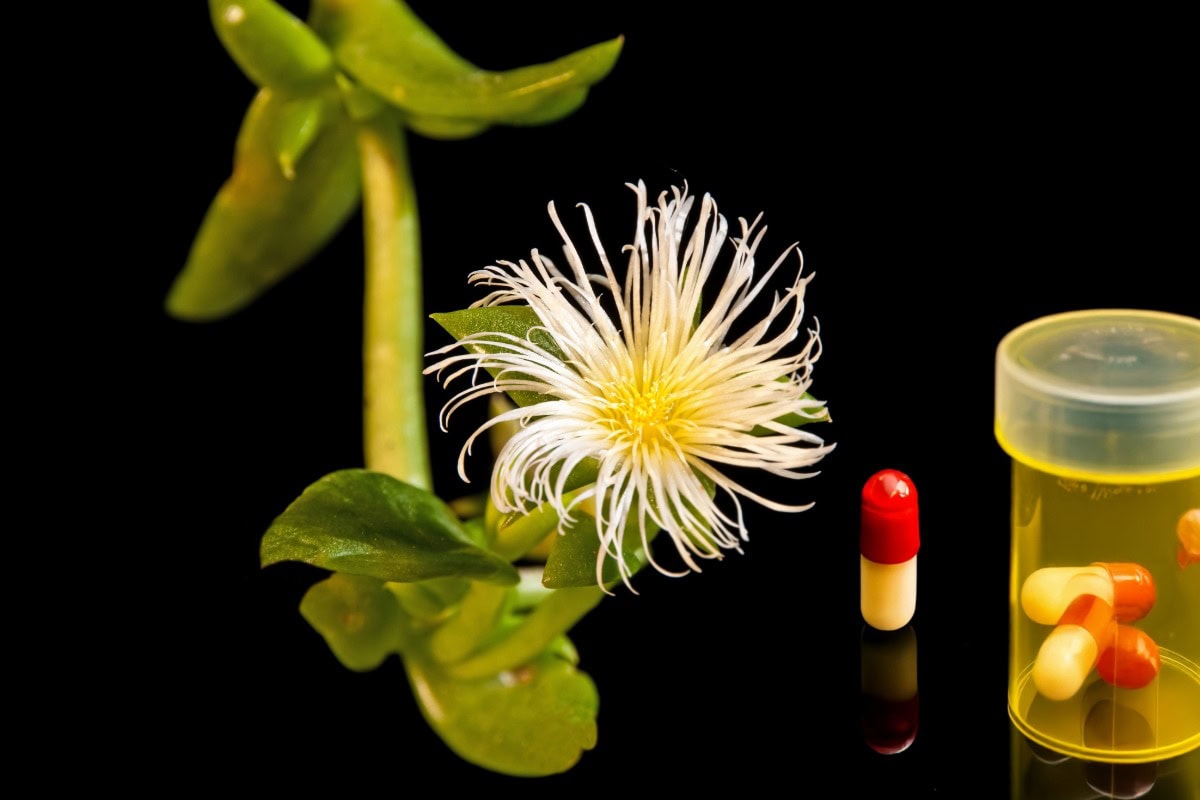
How to Take Kanna (Sceletium tortuosum): Practical Dosing Guide
Key Takeaways
- Kanna, or sceletium tortuosum, is a succulent plant native to south africa used in traditional south african medicine and now sold as a dietary supplement for mood enhancement, stress relief, and cognitive function.
- Start with a low dose, increase slowly, and remember that concentrated kanna extract can be 5x to 50x stronger than raw plant powder.
- Sublingual use can work in 15–30 minutes; capsules, tea, and oral ingestion usually take 60–90 minutes and feel smoother.
- Do not combine kanna with SSRIs, SNRIs, MAOIs, MDMA, 5-HTP, St. John’s wort, or psychiatric prescription drugs because of serotonin syndrome risk.
- Alt Super Store prioritizes third-party lab-tested botanicals and cannabinoids, but you should check local laws and talk with a healthcare professional before taking kanna.
What Is Sceletium tortuosum (Kanna) and Why People Take It
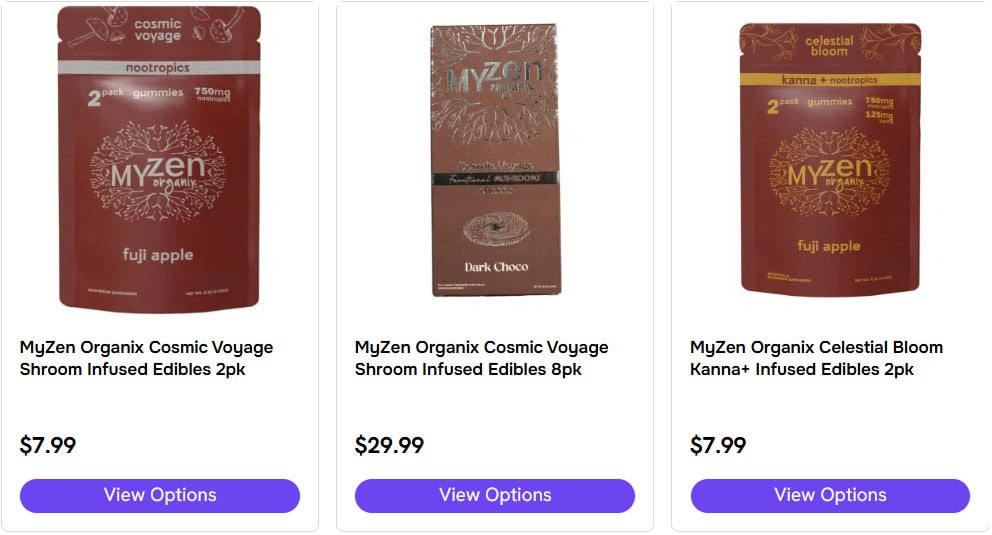
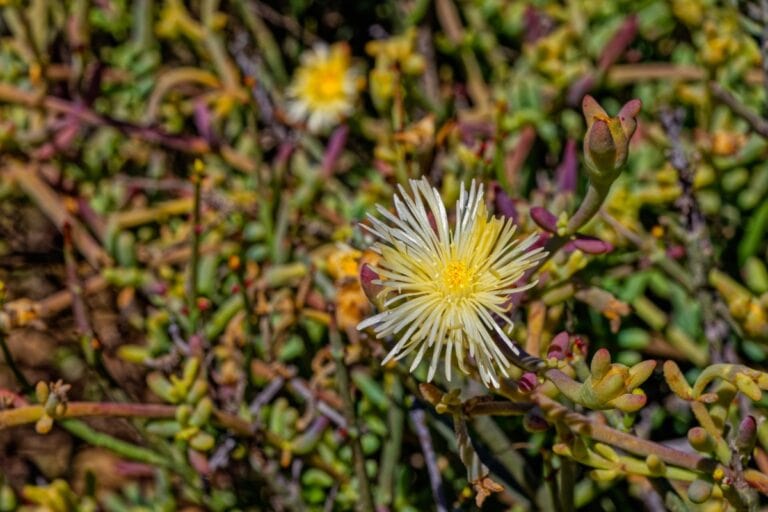
Kanna, also called the kanna plant or ancient herb kougoed, is native to south africa and was traditionally used by San and Khoikhoi tribes as a mood-altering plant, often chewed to elevate mood and reduce anxiety. The name “kanna” is derived from Khoi and Afrikaans words for “chewed,” which is why old texts sometimes frame it as a chewable cure rather than a modern capsule.
Historically, kanna was widely traded and highly valued in South Africa, especially in the Eastern Cape, where it was sometimes used with cannabis to enhance intoxicating effects. Today, people use kanna as a natural alternative in alternative medicine, complementary medicine, and alternative and complementary medicine routines.
Kanna (Sceletium tortuosum) contains active compounds including mesembrine, mesembrenone, and mesembrenol; these mesembrine alkaloids interact with serotonin receptors and serotonin reuptake pathways. The primary active compounds in kanna, particularly mesembrine, function as natural serotonin reuptake inhibitors, meaning kanna may act somewhat like a natural selective serotonin reuptake inhibitor. This may explain why users report calm focus, enhanced mood, emotional well being, and the ability to reduce stress.
Kanna’s phytochemical profile also includes triterpenoids, phenolic compounds, flavonoids, saponins, glycosides, and tannins, which may contribute anti-inflammatory and antioxidant effects. Reviews of the biological and pharmaceutical properties of sceletium tortuosum describe psychoactive constituents, pharmaceutical properties, and clinical activities, but more research is needed.
Kanna has been traditionally used for its mood-enhancing properties and to help relieve anxiety, while also supporting people dealing with symptoms of depression. Kanna has also been described as beneficial for those suffering from mild to moderate depression because it may help elevate mood and reduce feelings of sadness, but it is not an FDA-approved mental health treatment.
research suggests that, as of late 2025 and continuing into 2026, clinical research is promising but limited. The FDA has not reviewed kanna for safety and effectiveness, and kanna is not approved to treat depression, anxiety, Alzheimer’s disease, brain disorders, or any disease. One review in the Journal of Ethnopharmacology summarizes traditional use, pre clinical findings, cognition effects, and toxicological safety assessment data within an evidence-based complementary medicine discussion.
How Kanna Feels: Effects by Dose Range
Kanna’s effects can range from alert calmness and cognitive support to mild euphoria, depending on the consumption method and dosage. Some early research has also explored possible ergogenic effects alongside mood and focus outcomes. Kanna has been reported to enhance cognitive function, improving attention, mental clarity, and alertness, which can be useful for tasks requiring sustained focus.
- Microdose: about 5–15 mg active kanna extract, or 25–75 mg plain herb. Expect subtle positive effects, light mood support, visual tracking sharpness, and smoother daily life.
- Low dose: about 15–30 mg extract, or 75–200 mg plain herb. This is often the right dosage for mood brightening, sociability, and relaxed productivity.
- Moderate dose: about 30–50 mg extract, or 200–400 mg plain herb. Users may feel deeper relaxation, music appreciation, and mild euphoria.
- High dose: 50–100+ mg extract, or 400–800+ mg plain herb. At higher ranges, some users take kanna to promote relaxation, but a high dose can also cause nausea, anxiety, dizziness, elevated heart rate, and impaired motor functions, so avoid driving or operating machinery.
- For mood enhancement, a typical dosage of kanna powder is between 50 to 100 mg, while deeper relaxation may require up to 200 mg.
Each standardized extract differs. When dosing kanna, adjust dosages based on the product type because concentrated extracts can be 5x to 50x stronger than raw plant powder.
How to Take Kanna: Main Methods of Use
Safe consumption of Kanna requires careful attention to the type of material used and the delivery method. The ingestion method heavily alters the onset, intensity, and duration of Kanna’s mood-elevating and tension-reducing effects.
- Sublingual or buccal: Place a small low dose under the tongue for 5–15 minutes. Sublingual ingestion typically results in faster absorption, often within 15 to 30 minutes, and Kanna produces a rapid and strong onset when used this way.
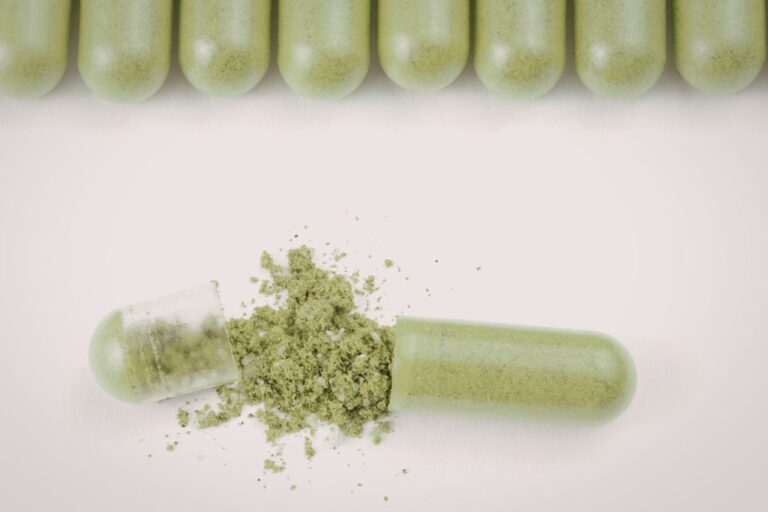
- Capsules and tablets: Convenient for beginners. Start around 25–50 mg plain herb or 5–15 mg standardized extract once daily. Oral ingestion usually leads to a slower onset of effects, often within 60 to 90 minutes.
- Tea or beverage: Stir powder into hot, not boiling, water or juice. Start with 100–150 mg plain herb per cup for a milder peak.
- Chewing kougoed: Chew a pea-sized pinch of fermented plant and hold saliva in the mouth. This traditional method is faster and earthier.
- Tinctures: Kanna is available in various forms, including powder, capsules, tinctures, and teas, each with different recommended dosages and methods of consumption.
- Inhalation and snuff: Not recommended for most users because onset is very rapid, dose control is harder, and irritation is more likely.
Kanna can be consumed by chewing dried leaves, brewing them into tea, or using extracts in capsules or tinctures, with each method affecting onset and intensity.

Step‑by‑Step: First Time Kanna Protocol
- Choose your product: Pick a simple, single-ingredient kanna capsule or standardized extract from a reputable, third-party lab-tested brand. Avoid party drug blends, herbal sexual enhancers, or unknown stacks.
- Pick a calm setting and time: Use a free evening or weekend afternoon with no driving for 4–6 hours.
- Start with a low dose: Take the lowest label serving, or half if sensitive to stimulants; for example, 10–15 mg standardized extract or 50–100 mg plain powder.
- Wait and observe: Wait at least 90 minutes before redosing. Watch mood, body sensations, appetite, anxiety, and difficulty concentrating.
- Adjust next time: It is advised to start with lower doses of kanna and gradually increase as needed while monitoring for adverse effects, especially when trying a new product or brand.
- Limit early frequency: Use 1–3 times weekly at first rather than heavy daily use.
Finding Your Ideal Kanna Dose (Microdose to High Dose)
Use this simple range as a starting point for taking kanna:
| Range | Extract | Best use |
| Microdose | 5–15 mg | Morning cognitive health, calm focus |
| Low dose | 15–30 mg | Stress relief, social ease |
| Moderate | 30–50 mg | Evening relaxation, music, introspection |
| High dose | 50–100+ mg | Experienced users only |
| Body weight, sensitivity to caffeine, mental health history, and other supplements all matter. Because concentrated extracts are generally more potent than raw plant powder, amounts must be carefully managed to prevent adverse effects. |
Timing, Frequency, and “Priming” Kanna
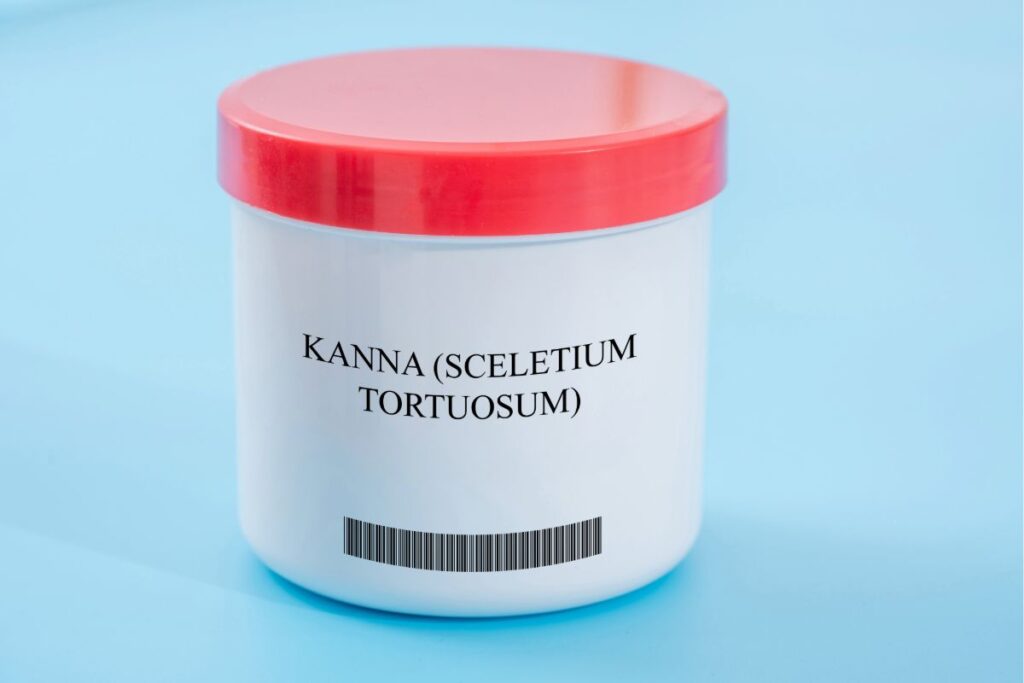
Many extracts feel slightly stimulating, so morning or early afternoon use is best. Moderate or high doses after 6–7 p.m. may delay sleep.
New users often experience the “Priming” Effect, where they feel no effects during their first few sessions; multiple low-dose sessions may be required for the body to adjust. A simple approach is 10–15 mg extract once daily for 4–5 days, then increasing only if effects remain subtle.
It is recommended to limit continuous use of Kanna to prevent tolerance buildup and potential spikes in baseline anxiety. Try 5 days on and 2 days off, or 2–3 uses per week.
Clinical research on standardized extracts has examined safety at specific daily amounts for up to six to twelve weeks, including studies of healthy adults and healthy volunteers. A small placebo controlled trial in cognitively healthy subjects examined sceletium tortuosum supplementation and cognitive function, while an fMRI study found acute effects on the human amygdala. A 2023 meta-analysis found mixed anxiety results, so research suggests possible benefits rather than proving them conclusively, and claims like “ameliorates experimentally induced anxiety” should be read carefully.
Kanna has also appeared in strength and conditioning research looking at mood, reaction time, and performance-related outcomes.
Some of that work specifically involved recreationally trained men.
Safety, Side Effects, and Interactions
Kanna is psychoactive. Common signs of excessive intake of Kanna include mild nausea, headaches, dizziness, and an elevated heart rate. Other adverse effects may include dry mouth, digestive discomfort, fatigue, confusion, appetite changes, neurological adverse effects, and difficulty concentrating.
Kanna may cause allergic reactions, which can be serious. Stop using kanna and seek help if you experience symptoms of a serious allergic reaction such as swelling, rash, breathing trouble, or throat tightness.
Kanna should not be combined with SSRIs, MAOIs, or other psychiatric medications as it may lead to serotonin syndrome. Also avoid SNRIs, MDMA, 5-HTP, and St. John’s wort. Serotonin syndrome symptoms may include fever, shivering, racing heart, agitation, muscle rigidity, and confusion.
Avoid kanna during pregnancy or breastfeeding because safety data are lacking and effects on breast milk are unknown. People with bipolar disorder, psychosis, cardiovascular disease, or substance misuse history should consult a clinician before incorporating kanna.
How Kanna Compares to Other Wellness Supplements
CBD is generally non-intoxicating, while kanna has more direct mood enhancing properties through serotonin pathways. Kratom acts mainly on opioid receptors and can be habit-forming; kanna is not considered opioid-like when used responsibly.
Functional mushrooms such as lion’s mane or reishi are slower adaptogens, while kanna often produces same-day beneficial effects. Kanna pairs unpredictably with Delta-8, Delta-9 THC products, alcohol, or sedating cannabinoids, so try kanna alone first.
Legal Status and Product Quality
Kanna remains legal as an herbal dietary supplement in many areas, but laws vary. Check local rules on Sceletium tortuosum, importation, and psychoactive botanicals before ordering, just as you would with hemp-derived THCa products.
Look for labels that state plain herb versus standardized extract, exact milligrams, and alkaloid content. Terms such as proprietary extract sceletium tortuosum or extract sceletium tortuosum should still come with transparent testing.
Alt Super Store recommends third-party COAs for identity, purity, heavy metals, pesticides, microbes, and alkaloid profile. Browse discounted cannabis and hemp-derived products on sale carefully and avoid vague “legal high” products with no testing.
How to Integrate Kanna into a Daily Wellness Routine
- Focus routine: Low-dose kanna in the morning with breakfast, hydration, a walk, and possibly lion’s mane.
- Stress routine: Microdose after lunch, then use breathing exercises, screen breaks, and limited caffeine.
- Social routine: Take one low to moderate dose 60–90 minutes before a gathering; hydrate and do not drive. Some people also use party-ready cannabinoid capsules in social settings, but always prioritize safety and moderation.
- Tracking routine: Record sleep, mood, productivity, and side effects to judge real health benefits.
If kanna does not help after several careful attempts, stop rather than chasing higher doses.
When to Avoid or Stop Using Kanna
Avoid kanna if you use antidepressants, mood stabilizers, MAOIs, SSRIs, or other psychiatric prescription drugs; have bipolar disorder or psychosis; are pregnant or breastfeeding; or have a known allergy to Sceletium tortuosum.
Anyone with dependence history, especially on stimulants or MDMA, should be cautious. If kanna stops working, take a 1–2 week break rather than escalating.
Stop immediately and contact a healthcare provider for persistent insomnia, strong mood swings, suicidal thoughts, chest pain, severe headaches, serious allergic reaction signs, or symptoms of serotonin syndrome.
This article is educational, not medical advice.
FAQ
How long does it take for kanna to start working?
Sublingual and chewed kanna usually begin in 15–30 minutes. Capsules and teas often take 45–90 minutes. Inhaled forms can act within minutes but are not recommended for beginners.
Can I take kanna every day?
Some people microdose most days, but long-term high-dose daily use is discouraged. Cycle use, such as 5 days on and 2 days off, unless a healthcare professional advises otherwise.
Is kanna a psychedelic or will I hallucinate?
Kanna is not a classic psychedelic and usually does not cause visual hallucinations. Most users describe mood brightening, body relaxation, and social ease.
Can I combine kanna with alcohol, cannabis, or hemp-derived cannabinoids?
Avoid alcohol. Cannabis or hemp-derived cannabinoids may make effects unpredictable, especially edibles. Try kanna alone first and never drive after combining substances.
What should I look for when buying kanna products online?
Choose sellers that list Sceletium tortuosum, serving size, plain herb versus kanna extract, and third-party lab testing. Responsible retailers like Alt Super Store focus on transparent ingredients, age verification, and tested products.