Is Kanna Legal? Current Laws, Risks, and Practical Guidance (2026)
Kanna is increasingly popular in modern wellness, but the legal answer depends on where you live, how the product is sold, and what claims the seller makes. Here’s the practical 2026 guide to kanna legal status, safety, and responsible buying.
Key Takeaways
- As of May 27, 2026, kanna is legal at the federal level in the U.S. because sceletium tortuosum is not listed under federal controlled substances law.
- Most kanna products are sold as dietary supplements, so FDA labeling, safety, and marketing rules still apply.
- Louisiana is the key U.S. exception: local regulations expressly restrict Mesembryanthemum or related kanna plants intended for human consumption.
- International rules vary: kanna is legal in most countries, but customs, novel food rules, or psychoactive substance laws can still create problems.
- Legality does not equal safety; buy lab-tested products from reputable brands like Alt Super Store and avoid risky combinations.
What Is Kanna (Sceletium tortuosum)?
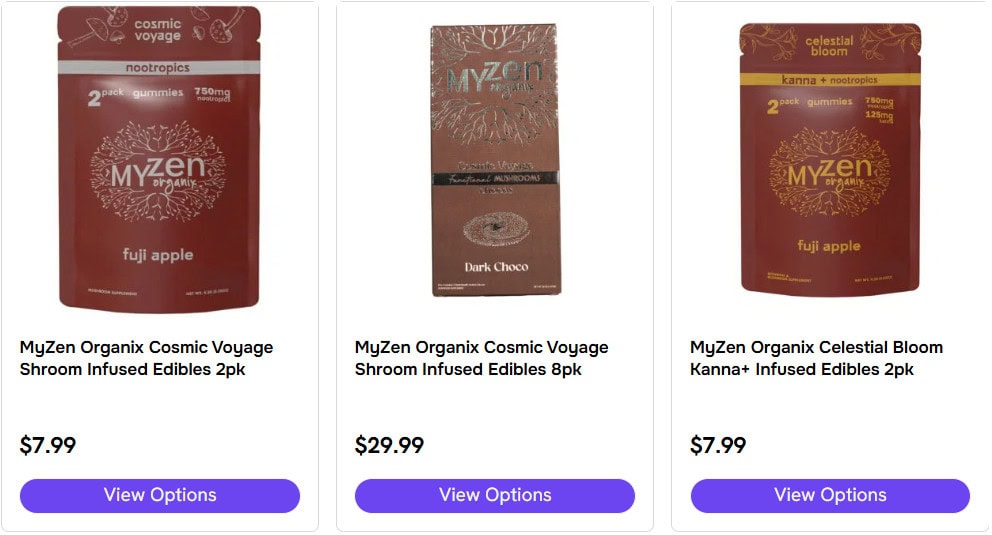
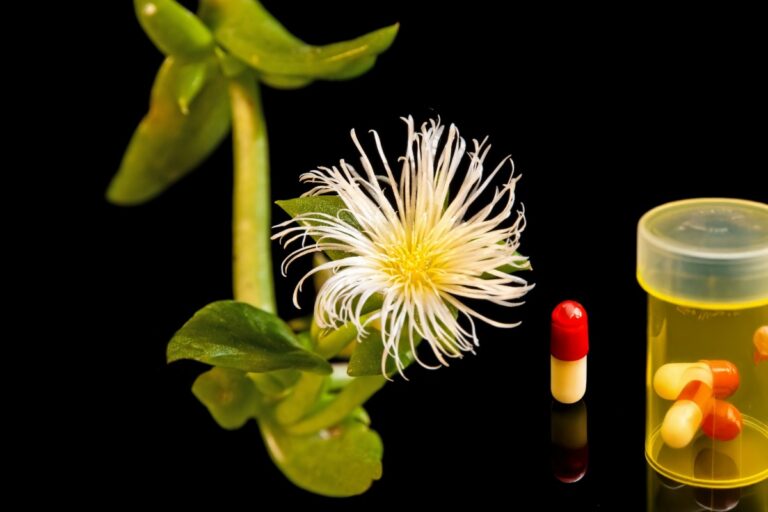
Kanna, or sceletium tortuosum, is a succulent plant native to South Africa and a plant native to south Africa’s Cape region. This succulent plant, within the genus sceletium and related sceletium species, has a long history of traditional use by indigenous communities.
Kanna, also known as Sceletium tortuosum, has been traditionally used by Indigenous communities in South Africa for recreational purposes, often chewed or consumed as a tea. Kanna is traditionally used for its mood-enhancing properties, promoting relaxation and emotional balance without strong sedative effects. It was traditionally chewed, smoked, used as powder, or brewed as tea to reduce stress and support sociability.
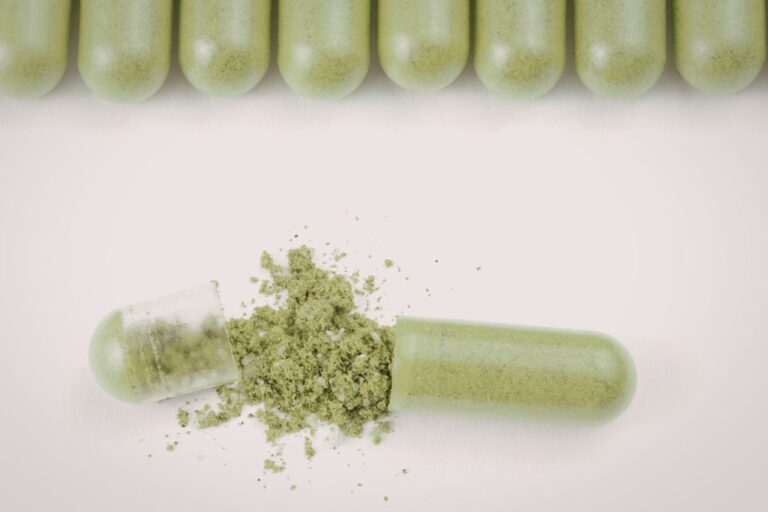
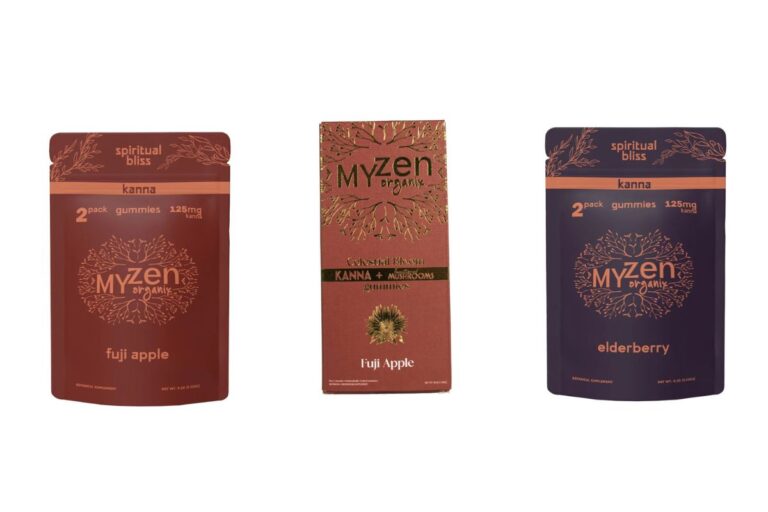
Today, kanna supplements appear as capsules, tinctures, gummies, raw powder, and standardized extract blends. The active compounds include mesembrine, mesembrenone, mesembrenol, and related alkaloids. The active alkaloids in kanna, such as mesembrine and mesembrenone, are believed to act as serotonin reuptake inhibitors, potentially enhancing mood and cognitive function.
Is Kanna Legal in the United States?
At the federal level, kanna is legal throughout the United States and is not classified as a controlled substance under the Controlled Substances Act (CSA). Kanna is generally marketed as a dietary supplement subject to oversight under the Federal Food, Drug, and Cosmetic Act (FD&C Act).
This means kanna is distinct from controlled drugs like MDMA, even if some online users compare it to a party drug. Still, legal does not mean unregulated. Under the Federal Food, Drug, and Cosmetic Act, kanna cannot be marketed by manufacturers with claims that it diagnoses, treats, or cures any medical condition.
The U.S. Department of Defense prohibits active-duty service members from using kanna as it may alter their state of mind. That is a workplace or military policy issue, not federal scheduling.
State-by-State Kanna Legal Status and Notable Restrictions

While kanna is broadly legal, some states can treat the substance differently. While kanna is legal at the federal level, Louisiana is the only state that expressly regulates the substance, defining it as a hallucinogenic plant intended for human consumption.
Louisiana law lists Mesembryanthemum species under its hallucinogenic plants statute, which can affect possession, sale, manufacture, and distribution for human consumption. You can review the state text through the Louisiana Legislature.
Other states do not currently have explicit kanna statutes, but broad “intoxicating plant,” “adulterated food,” or consumer protection rules could still matter. Alt Super Store monitors cannabinoid, kratom, mushroom, and botanical laws and may block shipments to certain ZIP codes when rules change, which is especially important for customers using legal weed delivery services that rely on compliant shipping and local regulations.
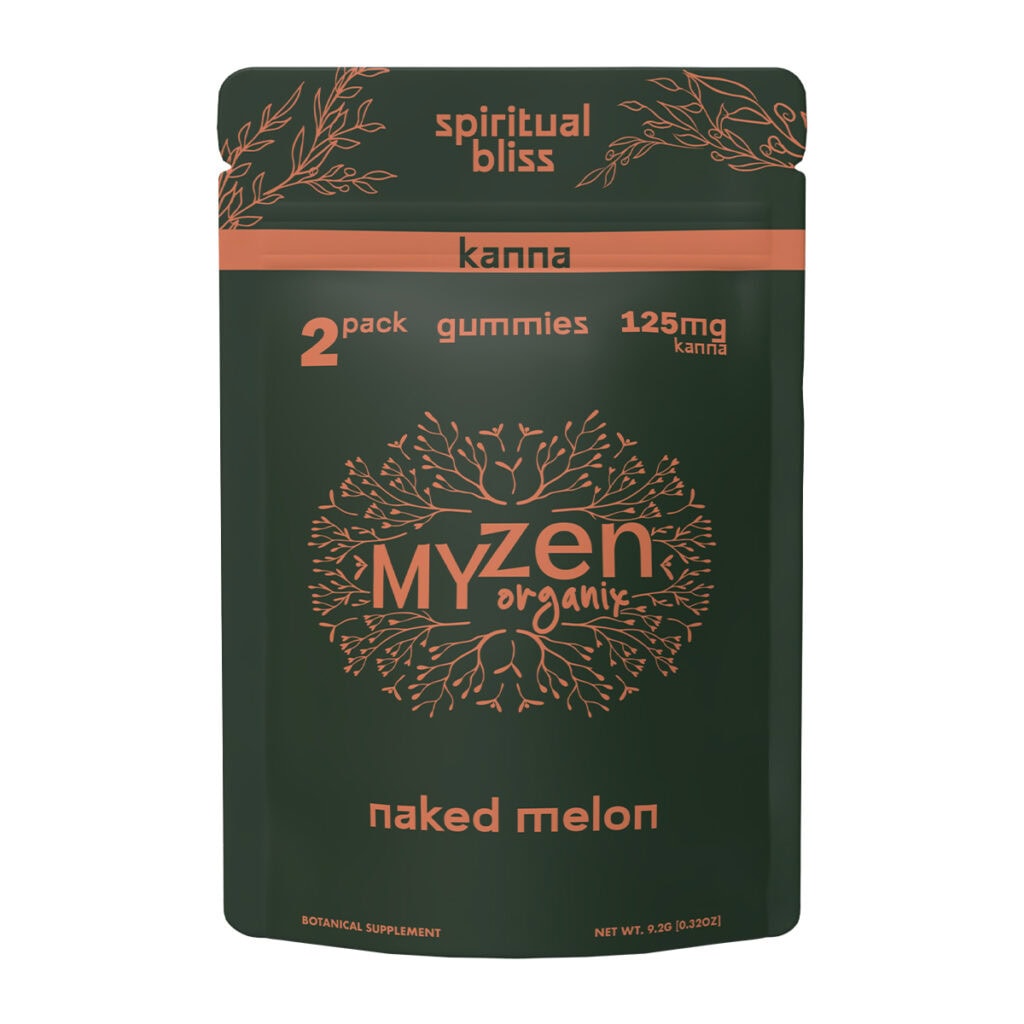
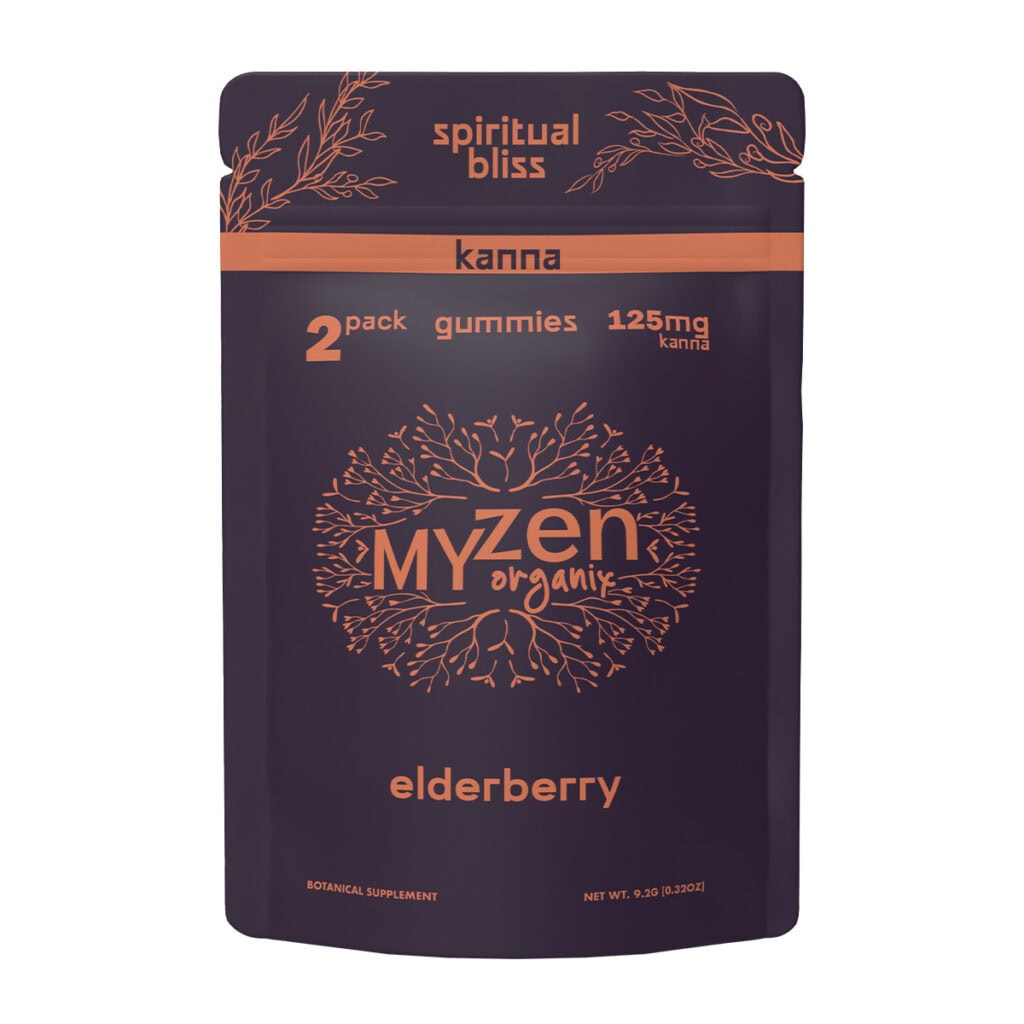
Kanna’s International Legal Status
International kanna laws are patchy. Kanna (Sceletium tortuosum) is legal to buy, possess, and use in the vast majority of the world, as it is not globally scheduled under international drug treaties. In South Africa, kanna can be legally cultivated, sold, and used, with a traditional history of use by indigenous peoples.
The European Union is more complicated. Kanna is classified as an unauthorized novel food ingredient in the European Union, limiting its sale as a foodstuff or dietary supplement. EU review of certain Sceletium extracts is ongoing under Novel Food rules.
In the UK, under the Psychoactive Substances Act 2016, it is illegal to manufacture or supply kanna if intended for human consumption, though possession is allowed. Kanna is generally legal to cultivate, buy, and sell for personal use in Canada and Australia, but import, labeling, and “not approved for human consumption” issues can still arise.
How Kanna Is Regulated as a Dietary Supplement
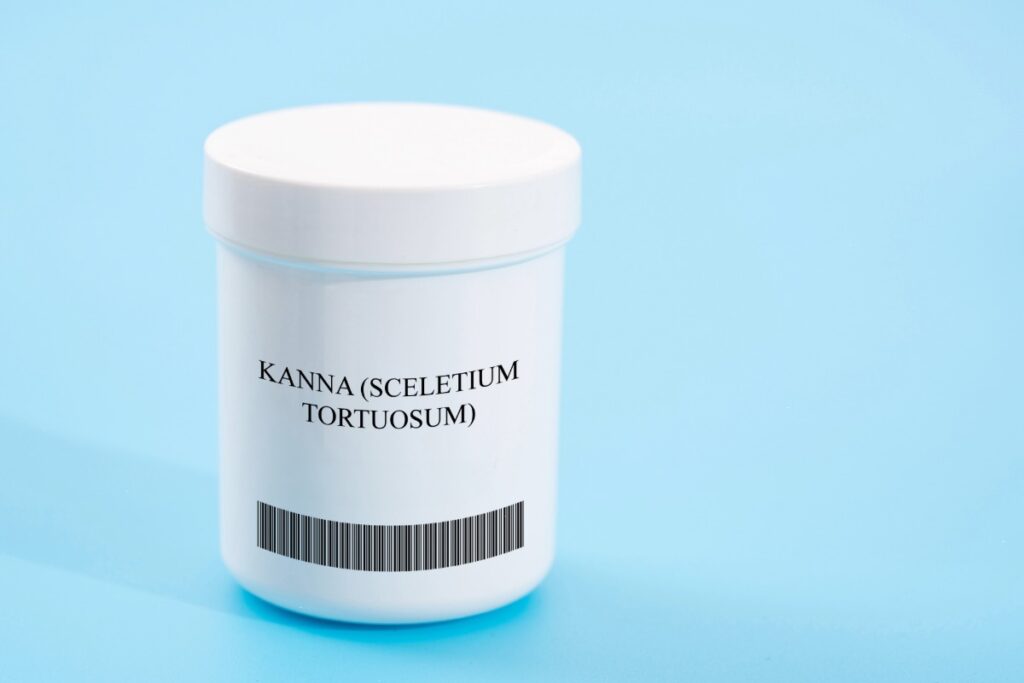
Most U.S. kanna products sit in the dietary supplements category, not controlled substances law. The FDA expects dietary supplement products to follow cGMP manufacturing, accurate dietary supplement labels, ingredient safety rules, and no disease-treatment claims.
A capsule or tablet is usually treated differently than a conventional beverage, shot, or food. Kanna tea may raise different regulatory questions than a capsule. If a specific standardized extract was not marketed in the U.S. before October 15, 1994, it may be a new dietary ingredient requiring FDA notification.
The FTC also polices advertising. Claims about potential benefits, mental clarity, focus, anxiety, depression, or mood enhancing effects must be truthful, not misleading, and supported by reliable evidence.
Traditional Use, Active Compounds, and Potential Benefits
Historically, kanna was used by the Khoisan people of South Africa for various purposes, including relieving thirst, improving healing, and for social and spiritual reasons. Traditional preparations included fermented material, snuff, tea, and dried material that was chewed.
Users of kanna have reported feelings of calmness and contentment approximately two hours after consumption, with some describing it as a natural alternative to party drugs like MDMA, though its effects are subtler. It is often marketed as a natural mood enhancer that may enhance mood, support calming focus, and reduce everyday stress.
The active alkaloids in kanna, such as mesembrine and mesembrenone, are believed to act as serotonin reuptake inhibitors, contributing to its traditional use for mood enhancement and emotional balance. Modern research, pre clinical findings, early stages clinical activities, and small clinical trials suggest possible support for cognitive function and executive function.
Research suggests that kanna may have potential anti-inflammatory, antimicrobial, antidepressant, and anxiolytic effects, although more studies are needed to confirm these benefits. More research is also needed for brain disorders, mental health uses, dosage, and long-term safety. Alt Super Store does not claim kanna or other supplements diagnose, treat, cure, or prevent disease.
Safety, Side Effects, and Drug Interactions
Kanna affects the central nervous system, so safety considerations matter. Kanna, when used at reasonable doses, carries a relatively low risk of harm to health, but limited information is available about its safety profile.
Reported side effects of kanna supplements include headache, gastrointestinal problems, fatigue, drowsiness, and difficulty concentrating. Taking kanna at high servings, using strong extracts, or combining it with other substances may increase symptoms.
Kanna should not be combined with SSRIs, MAOIs, or other antidepressants due to the risk of serotonin syndrome, which can lead to severe health complications. Avoid mixing kanna with SNRIs, MDMA, 5-HTP, alcohol, or drugs that affect serotonin unless a healthcare professional approves it.
People with bipolar disorder, cardiovascular disease, substance dependence, pregnancy, breastfeeding, or prescription medication use should avoid kanna or seek medical guidance first.
Kanna vs. Hemp-Derived Cannabinoids at Alt Super Store

Alt Super Store focuses on hemp-derived cannabinoids such as Delta-8, Delta-9, Delta-10, THCa, THCP, THCv, CBD, plus select botanicals like kratom and mushroom supplements, including a wide variety of disposable vape products for adults in compliant locations.
Kanna (Sceletium tortuosum) is a succulent plant native to South Africa, traditionally used for mood enhancement and relaxation, while kratom (Mitragyna speciosa) is a tropical tree from Southeast Asia known for its energizing and calming effects depending on the strain and dosage.
Kanna primarily acts as a serotonin reuptake inhibitor, which may help increase serotonin levels in the brain, whereas kratom’s alkaloids interact with adrenergic and other receptor systems, resulting in a broader range of effects.
Kanna is often marketed as a nootropic or herbal mood support product, typically available in powder, capsule, or tincture form, while kratom is consumed in various forms including powder, capsules, and gummies, offering a more consistent experience.
When comparing kanna with cannabinoids, remember that cannabinoids interact mainly with the endocannabinoid system. Some hemp products, such as Delta-9 THC products, are psychoactive and 21+ only, while kanna is usually milder.
Buying Kanna Products Legally and Responsibly
Even where kanna is legal, responsible sourcing matters. Look for U.S.-based sellers, clear contact details, serving instructions, lot numbers, and third party testing.
Avoid all natural products that claim to “cure depression,” “replace antidepressants,” or treat anxiety disorders. Those claims can signal higher risk operators. Kanna products lack established quality standards or safety requirements, leading to potential issues with inconsistent product strength and mislabeling.
While kanna products often lack standardized testing and quality control, kratom has established consumer safety standards, with organizations like the American Kratom Association promoting responsible sourcing and testing practices, and reputable retailers often highlight discounted cannabis and hemp products that still meet quality and testing expectations. The same logic should apply to kanna: review COAs, ingredient lists, and combinations with potent cannabinoids, stimulants, MAOIs, or ephedrine-like ingredients.
Alt Super Store structures product pages with descriptions, serving suggestions, lab information where applicable, and FDA disclaimers.
Future Legal and Regulatory Trends for Kanna
Kanna’s rising popularity may bring tighter rules. Regulators are already watching functional botanicals, kratom, kava, mushroom supplements, and mood products more closely.
Future rules may address contaminant limits, age gates, permissible claims, and standardized extract potency. More clinical trials could improve acceptance, but stronger psychoactive positioning could push some states to copy Louisiana’s approach.
Alt Super Store tracks legal status changes, updates shipping policies, and prioritizes compliant products.
FAQ: Common Questions About Kanna Legality and Use
Is kanna legal everywhere in the United States?
No. Kanna is not federally scheduled, so kanna is legal at the federal level, but Louisiana restricts kanna intended for human consumption. Always check state and city laws before buying kanna supplements.
Can I travel with kanna across state or international borders?
Small personal amounts may be low risk in most U.S. states, but travel through Louisiana or internationally is more uncertain. Keep products in original packaging, carry proof of purchase, and check customs rules before traveling.
Is kanna considered a drug test risk?
Kanna contains active alkaloids, predominantly mesembrine, which do not trigger positive results on standard workplace drug screenings. Standard drug testing usually checks THC, opioids, amphetamines, cocaine, and similar drugs, not kanna alkaloids. Specialized research testing is theoretically possible but rare.
Can I combine kanna with hemp-derived cannabinoids?
Some users combine kanna with CBD or mild cannabinoids, but research on interactions is limited. Avoid stacking kanna with high-dose psychoactive cannabinoids, alcohol, SSRIs, MAOIs, or other serotonergic substances without medical guidance.
How do I know if a kanna product is compliant and safe?
Look for the plant name Sceletium tortuosum, serving size, manufacturer details, lot number, third-party lab results, and no exaggerated medical claims. If a label looks vague, skip it. For compliant hemp-derived cannabinoids and select botanicals, review Alt Super Store product pages and COAs before purchase.