What Is Kanna? Uses, Benefits, Risks & How It Fits Into Wellness
Key Takeaways
- Kanna (Sceletium tortuosum) is a succulent plant native to south africa, traditionally used to relieve anxiety, lift mood, support well being, and enhance cognitive function.
- Modern kanna extract appears in dietary supplements for mood support and brain health, but the effects of Kanna in humans are still under research, involving mostly small trials.
- Kanna is sometimes called nature’s mdma, yet it is gentler than MDMA and can interact dangerously with SSRIs, MAO inhibitors, MDMA, and 5HTP.
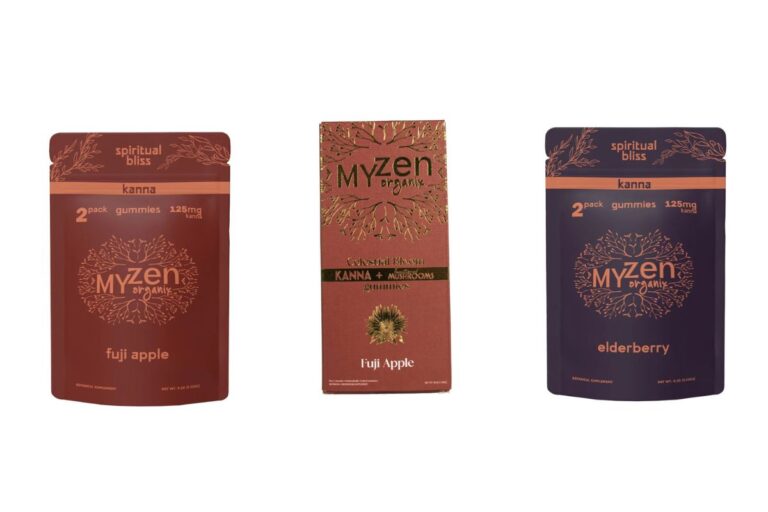
- Alt Super Store discusses kanna alongside cannabinoids, kratom, and mushroom supplements, with a focus on adults 21+, COAs, discreet shipping, and third-party testing.
- Short-term low-dose kanna looks relatively safe for most healthy adults, but it is not a substitute for care for major depression, brain disorders, or severe anxiety symptoms.
What Is Kanna?
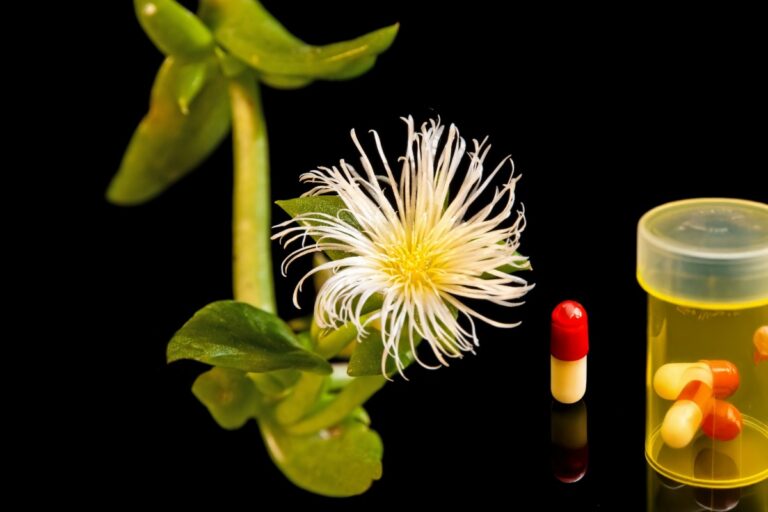
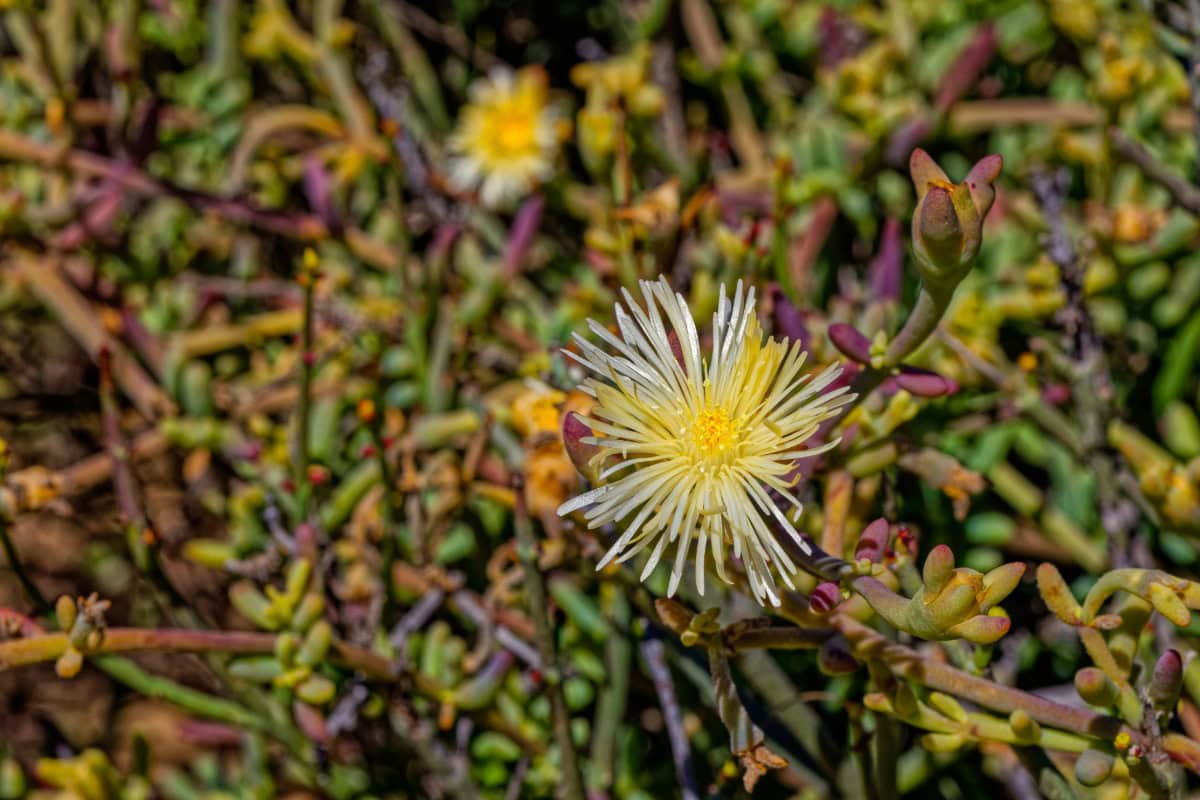
Kanna is the common name for sceletium tortuosum, a small succulent plant indigenous to the arid regions of south africa, particularly the Western Cape. The kanna plant belongs to the genus sceletium and has been traditionally consumed as fermented plant material.
- “Kanna,” “kougoed,” “channa,” and Mesembryanthemum tortuosum L. refer to the same basic plant.
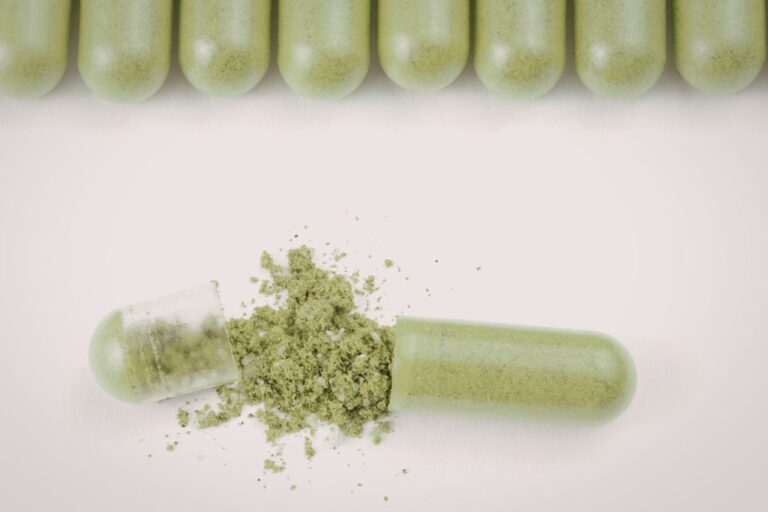
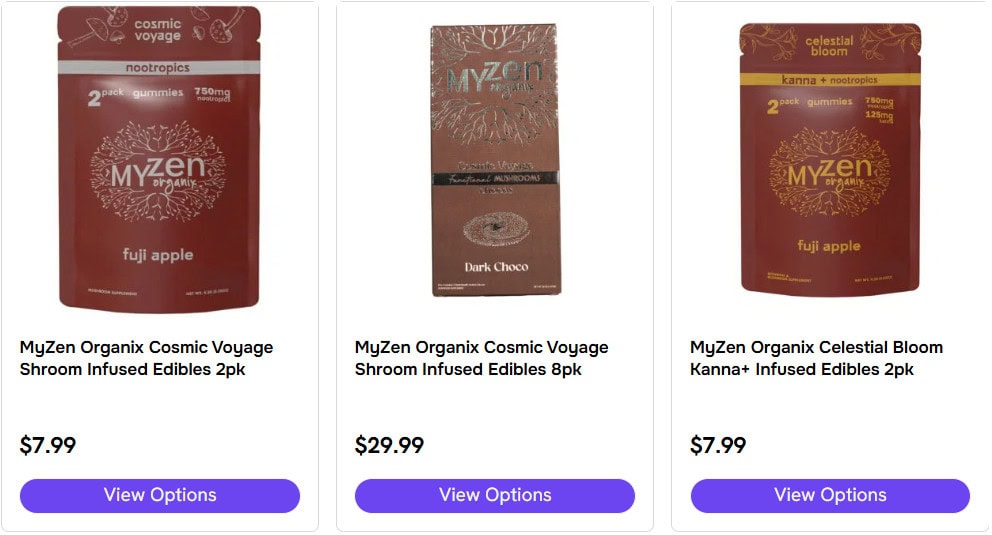
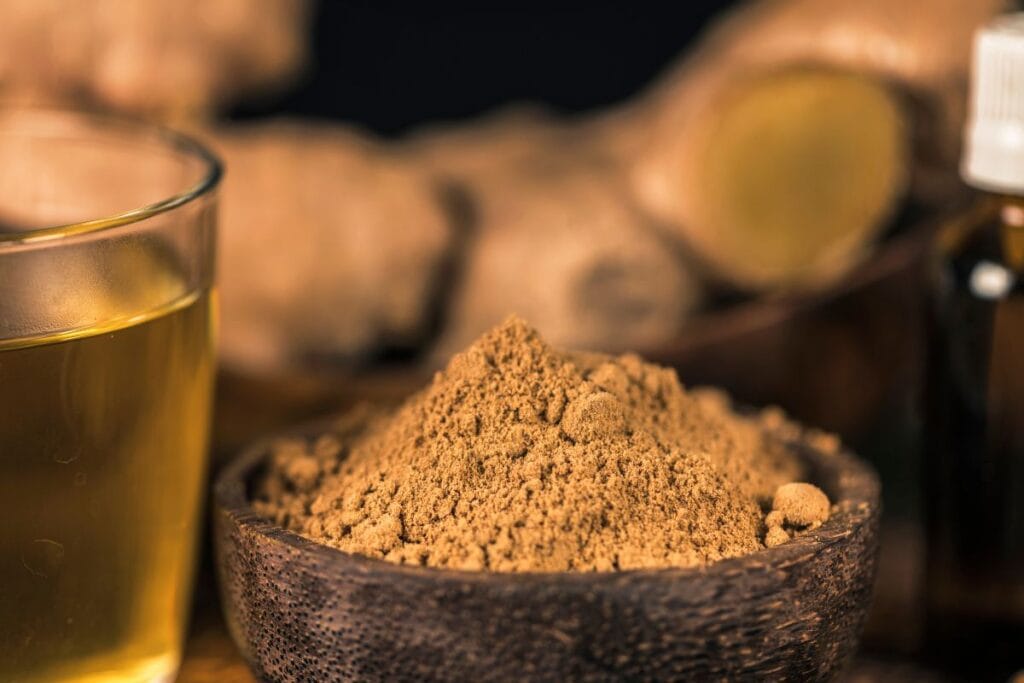
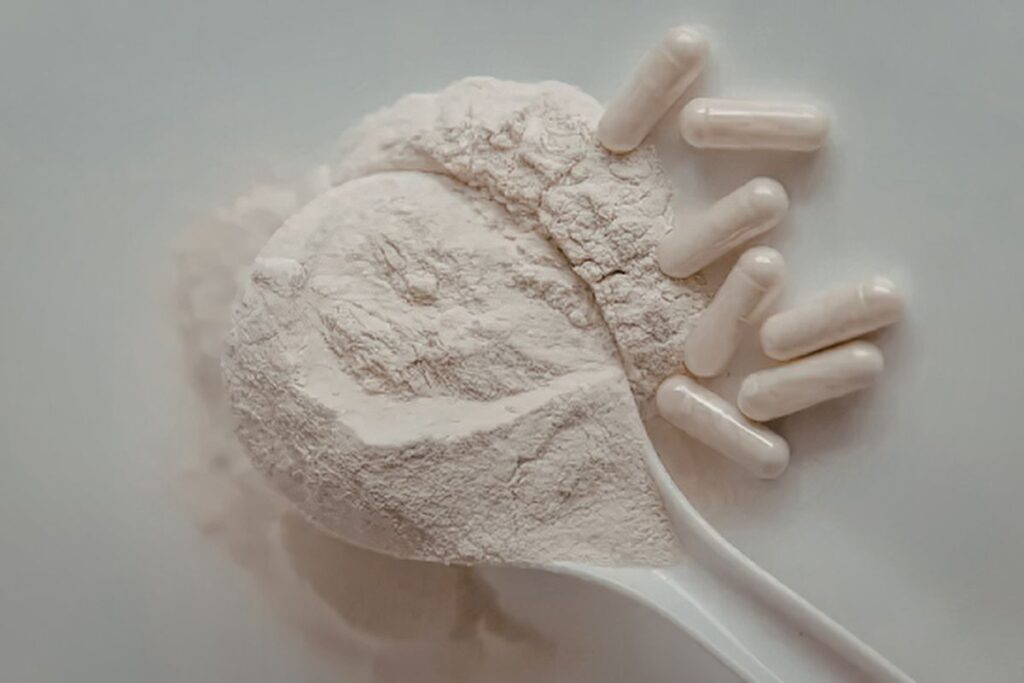
- Kanna is used today as a herbal remedy in various forms: capsules, teas, tinctures, powders, sublingual tablets, and concentrated kanna extract.
- Kanna is marketed as a dietary supplement to ease stress and mild anxiety.
- It is not an approved pharmaceutical drug or selective serotonin reuptake inhibitor medication.
- In alternative medicine, kanna supplements are usually positioned for cognitive function, mood enhancing, and calm focus.
Kanna’s History & Traditional Use
The native San and Khoikhoi tribes have utilized Kanna for thousands of years. Kanna, or Sceletium tortuosum, has been traditionally used by indigenous tribes in South Africa for various purposes, including relieving thirst, improving healing, combating fatigue, and for social and spiritual reasons.
- Historically, kanna was consumed by chewing the fermented plant matter, which was believed to support well-being and was often used in rituals to enhance spiritual experiences.
- “Kougoed” means chewable cure or “good to chew,” reflecting its oral use.
- Indigenous use included social and spiritual purposes, mild euphoria, and alert serenity.
- Dutch colonial records mention kanna by the 17th century, and dried kanna powder was traded around Cape Town.
- Fermentation matters: Kanna’s chemical composition includes oxalic acid, which can cause irritation and allergies, but fermentation of the plant reduces its oxalic acid content, making it safer for consumption.
Active Compounds & How Kanna Works in the Brain
Kanna’s sceletium tortuosum effects come from active compounds called mesembrine alkaloids. Kanna, or Sceletium tortuosum, contains a variety of alkaloids known as mesembrine alkaloids, which include mesembrine, mesembrenone, mesembrenol, and mesembranol.
The main active compounds in kanna, mesembrine and mesembrenone, work synergistically to enhance mood and relaxation by increasing serotonin levels and inhibiting the enzyme phosphodiesterase-4 (PDE4). Mesembrine is linked to serotonin reuptake inhibition, meaning it may reduce quickly reabsorbing serotonin and influence serotonin levels in the central nervous system. Mesembrenone’s PDE4 activity may relate to anti inflammatory, stress signaling, cognition effects, and cognitive effects.
Research on biological and pharmaceutical properties, pharmaceutical properties, and clinical activities is still early. Much of the pre clinical evidence comes from cells or animals, while human clinical trials usually use standardized products like Zembrin, a proprietary extract sceletium tortuosum. Regulators have not approved extract sceletium tortuosum to treat disease.
Potential Benefits of Kanna
Research suggests several potential benefits, but evidence based complementary medicine requires caution. Most clinical studies test 25–50 mg/day standardized kanna extract, not raw recreational products.
Mood Support & Anxiety Relief
Small placebo controlled trial data in healthy adults and healthy individuals suggest kanna may boost mood and modestly reduce anxiety symptoms under stress. Kanna has been shown to enhance mood and promote relaxation by increasing serotonin levels in the brain, which plays a crucial role in regulating mood and behavior.
Research indicates that kanna may help reduce anxiety symptoms by affecting the amygdala, the part of the brain responsible for processing fear and stress responses. In one imaging study, participants showed altered response to fearful stimuli after kanna. However, a 2023 review of four studies found no clear generalized anxiety benefit versus placebo, so more research is needed. Persistent anxiety, depression, or suicidal thoughts require licensed care, not self-treatment with plant medicines.
Stress Resilience & “Alert Calm”
Kanna’s psychoactive effects include promoting a state of alert serenity and mild euphoria when taken in higher doses. Users often describe stress resilience without heavy sedation.
Small EEG and imaging studies report changes in brain wave frequencies and brain wave frequencies related to attention and emotional processing. Some data also mention visual tracking and reaction-time changes. These findings may promote stress resilience, but they do not prove kanna works for every product or person.
Cognitive Function & Brain Health
Clinical studies have suggested that kanna can improve cognitive function, including attention and memory, particularly when taken in the form of Zembrin, a patented extract of kanna. Trials in cognitively healthy subjects have reported executive-function or flexibility improvements after several weeks.
Interest in brain health is reasonable but early. Claims about dementia, Alzheimer’s, or brain disorders remain speculative. This is not like strength and conditioning research in recreationally trained men testing ergogenic effects; kanna evidence is mainly mood, attention, and complementary medicine, not performance sports conditioning research.
“Nature’s MDMA”: Hype vs Reality
Kanna has gained popularity in the Western world as a natural alternative to party drugs, often marketed for its mood-brightening properties without the adverse effects associated with substances like MDMA. That is where nature’s mdma marketing comes from.
Still, kanna is not MDMA. It does not have the same stimulant intensity, risk profile, or entactogenic punch. Positioning kanna only as a party drug ignores its traditional context and modern focus on moderate mood support.
Forms of Kanna & How It’s Used Today
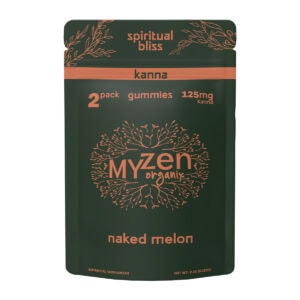
In modern applications, kanna is available in various forms such as extracts, teas, and supplements, making it easier for consumers to incorporate it into their wellness routines.
| Form | Typical use note |
| Capsules | Often 25–50 mg standardized extract |
| Sublingual powder/tablet | Faster onset |
| Tea or herb | Less predictable potency |
| Tincture | Flexible dosing |
| Blends | Sometimes with cannabinoids, kratom, or other supplements |
| Start low, avoid mixing kanna with multiple new products, and follow the label. At Alt Super Store, kanna is discussed as part of a broader 21+ psychoactive wellness toolbox that includes hemp-derived cannabinoids like Delta-8 THC products, kratom, and mushrooms. |
Safety, Side Effects, and Who Should Avoid Kanna
Kanna is considered generally safe but can lead to minor side effects such as mild headaches, nausea, or stomach upset. Kanna has demonstrated a strong safety profile in clinical studies, with doses up to 50 milligrams not causing significant side effects, although users should avoid fresh or partially fermented kanna due to the presence of oxalic acid, which can cause irritation.
Overdosing on kanna can lead to stomach pains, and frequent use may paradoxically increase anxiety rather than alleviate it. Avoid kanna if pregnant, breastfeeding, under 21, using antidepressants, prone to bipolar mania or psychosis, or managing seizure disorders unless a clinician clears it. If severe symptoms occur, stop use and call Poison Control at 1-800-222-1222 or seek urgent care.
Interactions With Other Substances
The main operation supplement safety issue is serotonin. Kanna may interact dangerously with other substances, particularly when combined with MAO inhibitors, MDMA, 5HTP, and SSRI antidepressants, potentially leading to serotonin syndrome, which can cause severe symptoms including fever and elevated heart rate.
Use caution with SNRIs, triptans, tricyclics, john’s wort, alcohol, kratom, cannabinoids, caffeine, and strong nootropic stacks. There is limited information available about the long-term safety of kanna, and it is advised to consult with a healthcare provider before incorporating it into a treatment plan, especially for those taking other medications.
Legal Status & Quality Considerations
Kanna is legal in all countries when sold as an herbal preparation based on its traditional use. In the United States, kanna is not classified as a federally scheduled drug, making it legal to buy and sell, with the exception of Louisiana, which specifically prohibits mesembryanthemum species.
Legality is not the same as quality. The FDA does not regulate supplements sold in the U.S., including kanna, which means consumers should source high-quality products from trusted brands. Look for COAs verifying identity, alkaloid content, microbes, heavy metals, pesticides, and undeclared drugs. Avoid “cures depression” claims.
Kanna vs Other Mood & Brain Supplements

Kanna overlaps with other alternative and complementary medicine options:
- St. John’s wort: more depression data, but more drug interactions.
- CBD: broader safety data, usually less serotonergic.
- THC cannabinoids: often stronger and more impairing.
- Lion’s Mane mushrooms: more neuroplasticity-focused than acute mood lift.
- Kanna: a natural mood booster with euphoric properties at higher doses, but not all natural labels guarantee safety.
How Kanna Fits Into Alt Super Store’s Psychoactive & Wellness Ecosystem
Alt Super Store focuses on compliant psychoactive and wellness products for adults 21+, including Delta-9 THC products, Delta-8, Delta-10, THCa, THCP, THCv, kratom, and mushroom supplements. Customers curious about taking kanna should use the same rules: start low, go slow, avoid risky combinations, and check lab testing.
FAQ
These answers are informational only and are not personalized medical advice.
How long does kanna take to kick in, and how long do effects last?
Sublingual or chewed kanna may start in 15–45 minutes. Capsules may take 45–90 minutes. Effects often last 2–4 hours, so avoid repeated high dose redosing.
Can I drive or work while using kanna?
Do not drive until you know your response. Kanna is usually less impairing than alcohol or strong THC, but it can still affect alertness, reaction time, and mood.
Is kanna addictive or habit-forming?
Current evidence does not show classic physical withdrawal in healthy adults, but psychological reliance can happen. Take breaks and seek help if substance use becomes hard to control.
Can I use kanna every day, long-term?
Long-term daily safety is not well established. Most studies are short, so cycle use and involve a healthcare professional if using kanna regularly.
Can I combine kanna with hemp cannabinoids or kratom?
Formal research is limited. Combining psychoactive products can increase sedation, dizziness, anxiety, or cardiovascular strain. Test each product separately before considering low-dose combinations.